
Sacred cows
Less than a month after Defence Minister Bello Matawalle faced accusations of sponsoring banditry, a lawmaker representing the Bauchi South…

Less than a month after Defence Minister Bello Matawalle faced accusations of sponsoring banditry, a lawmaker representing the Bauchi South Senatorial District, Shehu Umar Buba, is now facing similar accusations. A non-governmental group, the Nigeria Democratic Front (NDF), alleged that Buba is affiliated with a notorious bandit who has been linked to numerous cases of banditry and kidnappings in Zamfara State and other parts of the country. However, the Muslim Rights Concern (MURIC) refuted claims that Buba is involved. Mr Buba also denied the claim, saying he only registered the suspected bandit for the pilgrimage because leaders in the state nominated him.
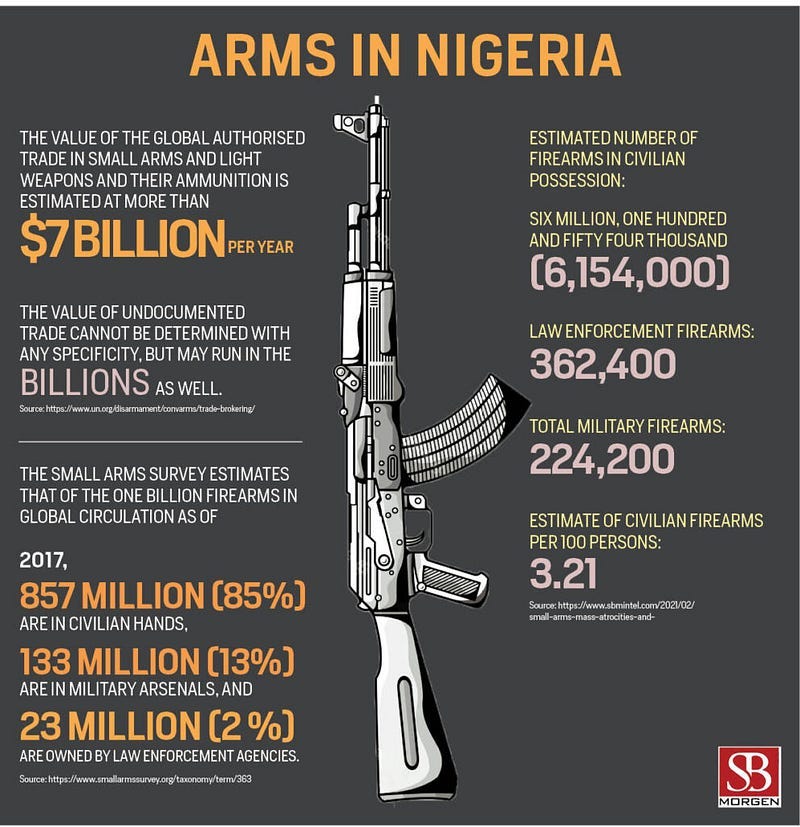
As Nigeria’s security challenges escalate, questions about the government’s strategy persist. Its national security plans emphasise prosecuting terrorism supporters through a whole-of-state approach, leading to increased military involvement in police duties and the arrest of internet fraudsters and oil thieves. However, tangible achievements have been limited to apprehending low-level bandit suppliers and minor terror financiers. Notably, high-profile sponsors remain unaddressed; it’s been over a decade since anyone significant was publicly linked to terrorism, with the last major case being Senator Ali Ndume during the Jonathan Administration. In the current administration, Tinubu’s Defence Minister, Bello Matawalle, has faced accusations from many, including his successor at the Zamfara State Government House, Governor Dauda Lawal, of sponsoring banditry. These accusations have also arisen from prominent bandit kingpin Bello Turji. However, these claims have neither prompted action from the presidency nor triggered relevant investigations by domestic security agencies. This situation suggests that there are sacred cows in this fight against insecurity. As such, the NDF’s claims regarding Buba may very well go uninvestigated. This is not to say that there is no truth to these claims. In recent years, political actors have been accused of having links with bandit groups. During Matawalle’s tenure as governor, he suspended low to mid-level emirs in some emirates in the Maradun Local Government Area for providing a haven for terrorists. This leniency toward bandits is not limited to the Northwest; it is also a common feature in parts of the Northeast. At the peak of the Nigerian Army’s Counterinsurgency Operations in the Northwest in September 2021, many bandits migrated eastward, finding refuge in states with lower levels of banditry. Chatter indicated that some traditional rulers in Bauchi provided land and resources for them. It did not take long for the security crises around Alkaleri, Ningi and Toro LGAs to escalate to levels that surpassed the security challenges previously experienced in Dass LGA, which had been the bulk of the state’s security concerns. Added are the large swathes of ungoverned spaces, providing bandits with safe havens within Nigeria’s borders. Also, endemic poverty makes banditry appear to be a viable means of livelihood for a surging youth population, facilitating recruitment even in the face of military efforts to diminish their numbers. Finally, porous borders allow for the flow of illegal small arms from the Sahel into the country. The government’s security strategy is not as airtight as it should be. The preference for quick political wins, which enables the government to turn a blind eye to the excesses of political actors, inevitably undermines any efforts to improve national security.