
Sall-ied
President Macky Sall has postponed Senegal’s planned 25 February 2024 presidential election, due to electoral issues he warned would fuel…

President Macky Sall has postponed Senegal’s planned 25 February 2024 presidential election, due to electoral issues he warned would fuel disputes. One opposition coalition has already vowed to challenge the move in the courts. Sall’s decision follows the constitutional council’s January decision to exclude some prominent contenders from the electoral list, which has fanned discontent about the election process. His announcement led to protests, leading the Senegal government to restrict internet access amid claims of ‘hateful’ messages. Senegal’s parliament voted to hold the postponed presidential election on 15 December 2024 amid a public outcry that led some opposition lawmakers to blockade proceedings.
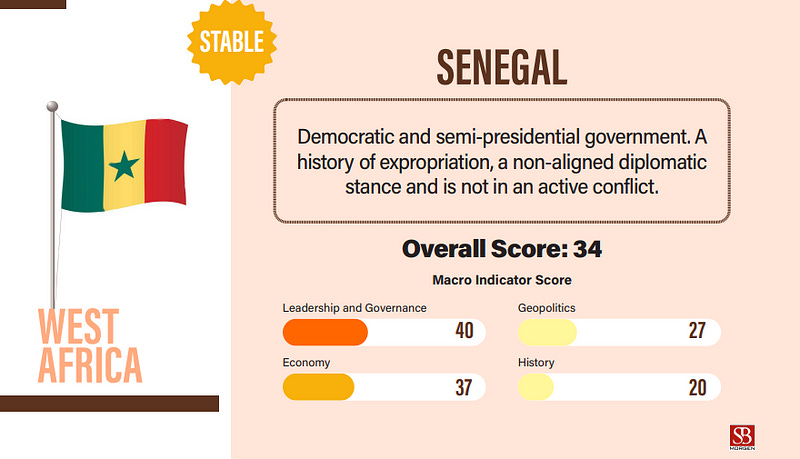
Senegal, a rare exception to coups in Africa since its independence in 1960, is currently at a critical juncture with the suspension of the 25 February elections and restricted internet access. While the country’s history of successfully alternating political powers and a disciplined military have contributed to its democratic stability, recent events suggest potential challenges that could jeopardise this standing. Despite Senegal’s resilient military, past crises in 1968 and violent riots in 2021 and 2023 highlight that political instability is not eliminated. Sall’s move to stall this month’s election has been years in the making, with the most notable actions being the engineered legal battles of Ousmane Sonko, the opposition’s most formidable candidate. Sonko stands accused of rape and fomenting insurrection. Already barred from contesting by the constitutional courts, Sonko had found himself in jail, with his party having to put forth a makeshift candidate. In early 2023, Sall stated he would not run for a third term. However, the postponement of the elections and the clampdown on both the opposition and the internet restrictions all point to a continuation of his tenure by other means. With this move, Senegal, which hitherto had been a beacon of democratic stability in West Africa, enters into the unenviable league of West African states imperilled by political instability engineered by sit-tight presidents. In places like Guinea and Gabon in Central Africa, this has led to military takeovers, and the extra-constitutional actions of President Ibrahim Boubackar Keita led to his ouster by the military. Recent coups in Mali, Burkina Faso, Guinea, and Chad highlight a worrying trend of military interventions. Although Senegal’s military has largely stayed away from the political scene, its existence in a very troubled neighbourhood puts it at risk of a coup. The concerns extend beyond Senegal, as several other West African countries grapple with questions of legitimacy surrounding their elected leaders. Accusations of flawed elections, voter suppression, and limited political space cast a shadow over the democratic credentials of some governments. Senegal’s unique position as a regional powerhouse with strong ties to France adds another layer of complexity. As France’s influence in the ECOWAS bloc wanes, Senegal’s decision to delay elections could create geopolitical tensions. Former French-aligned countries, such as Niger, Mali, and Burkina Faso, shifting towards Russia and China, may reshape regional dynamics. Beyond security and political instability, Senegal is grappling with economic challenges. As one of the West African countries under an IMF programme, the decision to postpone elections could further strain the economy. The current politico-economic landscape demands a collective effort to strengthen democratic institutions across West Africa. This includes: upholding the rule of law and ensuring free and fair elections; addressing the root causes of discontent, such as poverty and inequality; promoting regional cooperation and dialogue to address security challenges and supporting civil society and independent media as crucial actors in holding governments accountable. Senegal’s situation serves as a stark reminder that democracy is not a given, but a fragile process that requires constant vigilance and commitment. The global community will keenly observe how Senegal, and by extension, Africa, navigates this critical period and whether it can continue to stand resilient in the face of mounting pressures. While the road ahead may be challenging, collective efforts remain crucial to ensure that West Africa emerges from these crossroads and upholds its democratic aspirations.