
School’s out
Mass abductions and soaring ransoms force indefinite school closures across Nigeria, compounding a severe northern humanitarian crisis and food shortage warning.

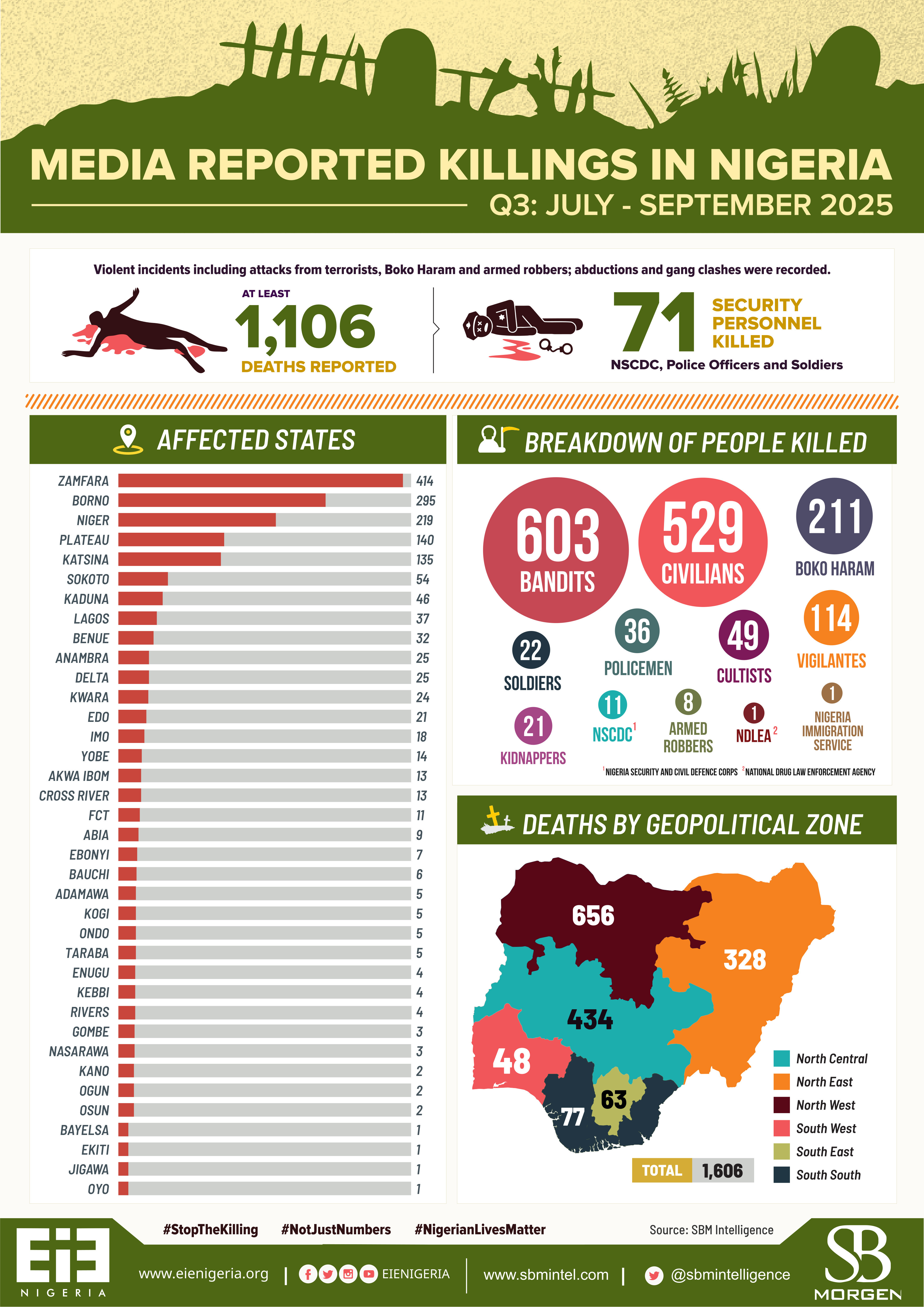
Escalating insecurity is causing a sweeping educational crisis across Nigeria. Following immediate threats in the south, the Kwara State government ordered the closure of schools in four local government areas: Isin, Irepodun, Ifelodun, and Ekiti. This protective measure, communicated by the Nigeria Union of Teachers (NUT), came as bandits who abducted worshippers from the Christ Apostolic Church in Eruku reportedly demanded a colossal ₦100 million ransom per victim. The security situation worsened dramatically across the centre-north between November 20th and 27th, 2025. Following the mass abduction of over 300 students in Niger State, the government there closed all schools indefinitely until 2026, whilst the Federal Government closed at least 41 unity colleges nationwide. This surging violence, driven by groups like the al-Qaeda affiliate JNIM and Islamic State West Africa Province, compounds a humanitarian crisis in the north. The U.N. World Food Programme (WFP) warned that nearly 35 million people could face food shortages by 2026 if its critical funding ceases in December 2025.
School closures in Nigeria, whether driven by insecurity or public health crises, are inflicting deep damage on children’s life chances while signalling dangerous weakness to the armed groups that target them. Prolonged COVID‑19 shutdowns already left nearly half of school‑age children with no learning at all and significantly reduced attendance when schools reopened, especially among poorer and non‑formal learners. Insecurity‑related closures have since added a second blow, with tens of thousands of schools in northern states shut or heavily restricted and many never reopening, leaving children without alternative provision and accelerating a drift into child labour, early marriage and permanent drop‑out.
The rise of school kidnapping has turned classrooms into hunting grounds for criminal and jihadist networks and made abduction a reliable income stream. Between mid‑2024 and mid‑2025, at least 4,722 people were kidnapped nationwide and billions of naira paid in ransom, including to designated terrorist groups, while gunmen have repeatedly been able to march children past multiple checkpoints, as in the Kuriga abduction. Each time authorities respond by closing hundreds or thousands of schools, or relocating pupils, they confirm to kidnappers that a handful of gunmen can shut down public education across whole regions at minimal cost. Combined with weak investigations, rare prosecutions and persistent rumours of covert ransom payments, this pattern tells armed groups that attacking schools is low‑risk and high‑reward and deepens public mistrust in the state’s will and capacity to protect its citizens.
These dynamics now intersect with a worsening hunger crisis. Nigeria is facing record food insecurity, with conflict, climate shocks and displacement destroying hundreds of thousands of hectares of farmland, driving food inflation above 30% and leaving tens of millions in severe hunger. Farmer–herder violence, banditry and insurgency have turned parts of the Middle Belt and Northwest into war economies where farmers abandon fields, rural output collapses, and communities are pushed into survival mode. In such conditions, families pull children out of school to work, migrate or simply because they can no longer afford fees and transport, creating a vicious cycle in which violence shrinks food production, hunger fuels recruitment into criminal and extremist groups, and education systems hollow out.
Nigeria has formally endorsed the Safe Schools Declaration and developed action plans, training and funding mechanisms. Yet, implementation and accountability remain weak: many schools still lack basic security or contingency planning, safe‑school funds are under scrutiny, and only a tiny fraction of institutions are properly registered and protected. The picture that emerges from repeated mass abductions, large‑scale, open‑ended school closures and a deepening hunger emergency is not one of isolated lapses but of systemic dereliction of duty, in which the state’s constitutional obligations to safeguard life, education and subsistence are honoured more on paper than in practice.