
Shady?
Oando Plc acquired Nigerian Agip Oil Company (NAOC) from Italy’s Eni for $783 million, doubling its stakes in key oil leases and boosting…

Oando Plc acquired Nigerian Agip Oil Company (NAOC) from Italy’s Eni for $783 million, doubling its stakes in key oil leases and boosting its reserves by 98% to one billion barrels. The deal includes ownership of three gas-processing plants, the Brass River Oil Terminal and Kwale-Okpai power plants. However, former Vice President Atiku Abubakar criticised the federal government for fast-tracking this deal while other oil acquisitions face delays. He also accused President Tinubu of lying about the petrol subsidy removal, questioned the NNPC’s ₦7.8 trillion subsidy claims, and criticised the administration’s handling of the Dangote Refinery and NNPC facilities.
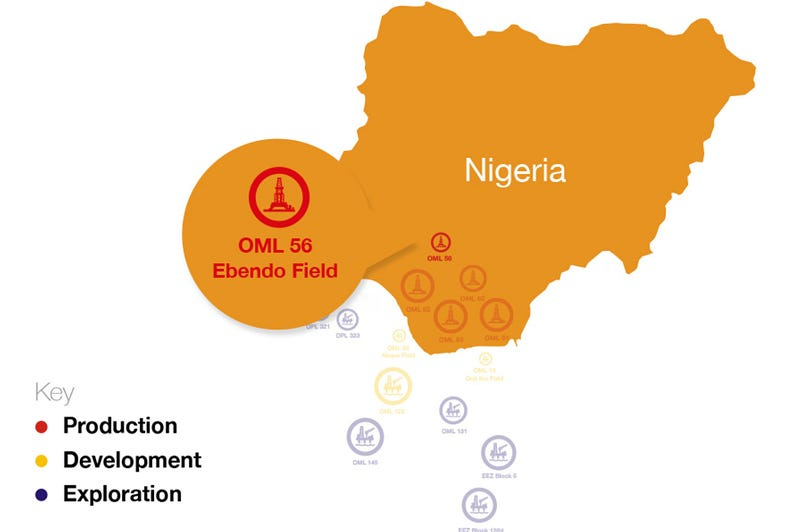
Following other international oil companies operating in Nigeria’s oil and gas sector, Eni, the Italian energy company, has announced the sale of a significant chunk of its downstream assets to Oando, a domestic oil and gas company. Shell and ExxonMobil have made similar moves to divest from their onshore businesses. However, these transactions require the assent of the petroleum minister — in this case, President Bola Tinubu — to be completed. The acquisition of Agip is expected to increase Oando’s reserves by 98%. The deal has sailed through smoothly because it did not suffer the same troubles as the Seplat-Mobil deal, in which the NNPC said it was not allowed to exercise its first right of refusal. The seeming speed of the deal has raised eyebrows given the family ties between the Oando CEO, Wale Tinubu, and the President who gave the final approval. This, coupled with Oando’s recent turnaround from being perceived as struggling to successfully financing these deals and acquisitions, raises concerns. Overall, the deal may bolster hope in Wale Tinubu’s leadership of Oando, which has faced significant resistance from a faction of its shareholders. Various factors are to blame for the divestment moves by IOCs in recent years. One is that the relationship between international oil companies and local communities has deteriorated because of environmental pollution due to several oil spills. On the part of the companies, they have had to contend with constant sabotage of their facilities, staff kidnappings and inconsistent government policies. This has discouraged significant new investments in the sector. Divesting from Nigeria could also mean fewer legal battles for IOCs as Niger Delta communities and farmers have sued these companies abroad to seek justice for oil spills that have cost them their livelihoods. There are also questions regarding the ability of domestic oil companies to operate the exploration infrastructure handed over by these foreign companies and ensure that production levels remain stable — given the feeble state of the country’s finances, which desperately need forex from crude oil sales. The quality of exploration infrastructure left behind by the IOCs is another factor that needs to be examined. The recent collapse of an oil rig in Delta State speaks to the aged nature of some of the country’s oil facilities, birthing the question: Are the international companies leaving behind a legacy of environmental damage and obsolete facilities? Although the implementation of the Petroleum Industry Act is not moving as fast as the citizens would expect, provisions of the act, such as that which mandates oil companies to set up a Host Community Development Trust Fund and protect oil facilities within communities, may also be a turn off for IOCs who may already feel burdened by the challenges of operating in Nigeria. Compared to deepwater exploration, which does not require regular interfacing with host communities and boasts larger reserves, IOCs may consider focusing on deepwater oil exploration a better bargain. Ultimately, an expansion in the operations of domestic oil companies will translate to an increase in available job opportunities for citizens, albeit marginally. It is also expected that domestic oil companies understand the dynamics within local communities and may have fewer conflicts with residents. If conflicts break out, host communities will have to resort to the judiciary system in the country for succour. This may not offer much hope to critics of Nigeria’s judicial system who believe that judgements often swing in the favour of the rich and influential. While the oil and gas sector is globally known to be closely linked with the political economy, there must still be rule-based predictability, especially for a country like Nigeria that is eager to attract investment in this sector.