
Spoke in the wheel
The Central Bank of Nigeria (CBN) says it will maintain the constitutional limit on Ways and Means Advances to the federal government…

The Central Bank of Nigeria (CBN) says it will maintain the constitutional limit on Ways and Means Advances to the federal government, capping it at 5% of the previous year’s actual revenue collection, to be repaid at the end of the year it was granted, This limit is part of the CBN’s monetary, credit, foreign trade, and exchange policy guidelines for the fiscal years 2024–2025. In line with the Treasury Single Account (TSA) framework, the new guidelines also stipulate that these advances will now take into account the sub-accounts of Ministries, Departments, and Agencies (MDAs), which are linked to the Consolidated Revenue Fund.
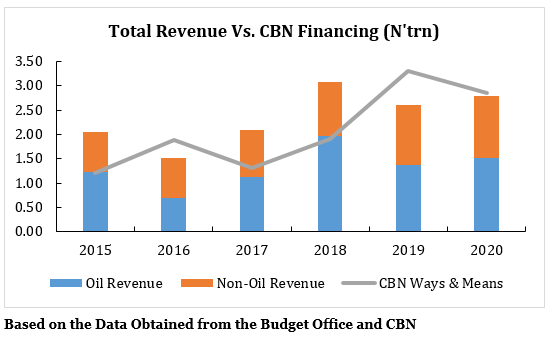
On the surface, the CBN’s recent decision to maintain strict limits on Ways and Means advances to the federal government presents a promising outlook. Reining in government borrowing could help keep inflation in check, potentially slowing the relentless rise in prices that has been eroding the purchasing power of Nigerian citizens. The prospect of greater economic stability might also attract domestic and foreign investments, potentially creating new job opportunities and stimulating economic growth. However, the path to these potential benefits is fraught with challenges and uncertainties. As the government grapples with reduced access to easy financing, there’s a risk of budget constraints leading to cutbacks in public spending and social programmes. Another concerning possibility is that the government might attempt to compensate for the loss of Ways and Means financing by increasing taxes. Higher taxes could squeeze businesses, especially the small and medium enterprises that form the backbone of Nigeria’s economy. This could lead to reduced profits, job cuts or even business closures. Individuals facing heavier tax burdens would have less disposable income, potentially leading to reduced consumer spending and further hurting businesses. Beyond these economic considerations, there’s reason to be sceptical about the government’s commitment to adhering to this policy. The National Assembly recently passed a bill to raise this limit to 10%. What remains to be seen in practice is whether the Cardoso-led CBN will strictly adhere to this position when the executive makes demands that breach it, as the Buhari government did with the Emefiele-led CBN. This is where the rubber meets the road, and stakeholders will watch closely. Nigeria has a history of well-intentioned financial policies being circumvented or abandoned when they become inconvenient for those in power. The government has often relied heavily on Ways and Means Advances to fund its activities, and it’s unclear whether political leaders will have the discipline to respect these new constraints when faced with budget shortfalls.