
Sub-continental adventures
Nigeria has secured nearly $14 billion of pledges from Indian investors, aiming to establish an economic cooperation pact with the South…

Nigeria has secured nearly $14 billion of pledges from Indian investors, aiming to establish an economic cooperation pact with the South Asian nation. India’s Jindal Steel and Power (JNSP.NS) has committed $3 billion to Nigeria’s steel sector, and Indorama Corp plans an additional $8 billion expansion of its petrochemical facility in Nigeria, presidential spokesperson Ajuri Ngelale said. Additionally, Skipperseil Ltd’s Chairman and Bharti Enterprises pledged $1.6 billion and $700 million for power generation and investments in Nigeria. Meanwhile, the Financial Times Stock Exchange (FTSE) recently downgraded Nigeria from frontier market status to unclassified market status over investors’ inability to repatriate capital.
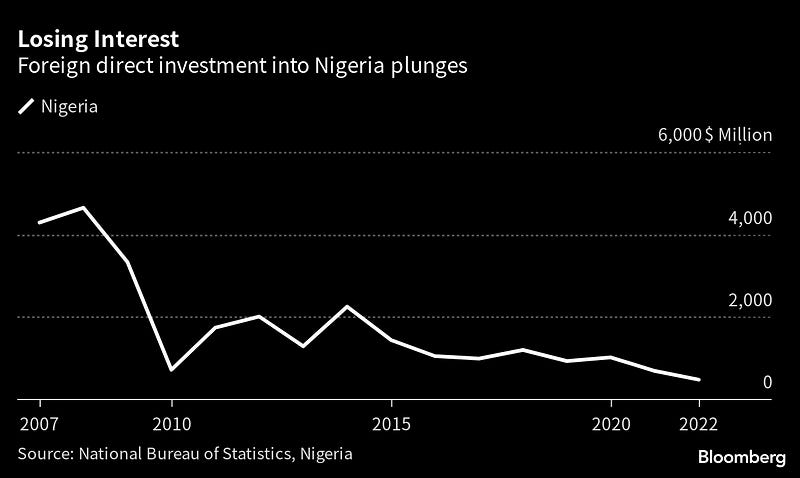
Nigeria is a difficult place to do business, and investors, in recent times, have opined that the costs of doing business in Nigeria outweigh the benefits. This has caused a significant decline in foreign direct investments over the last few years. The major challenges to investors have been well documented, including erratic power supply, a huge infrastructure deficit and a skill gap. Steel production requires a consistent power supply and decent transport infrastructure to succeed. The Indian investors would likely have gotten the Nigerian government to promise to address these issues before they commit their capital. Nigerians are hopeful that such initiatives by the Tinubu administration see the light of day so the country can truly be on a development path. However, there have been promises to Nigeria in the past that failed to materialise. The reasons are not far-fetched; the fundamentals of the economy and fiscal and monetary policy need to be fixed to give the investors the confidence and enablement to make these investments. As Mr Tinubu has secured the said promises and returned to Nigeria, it is time to deal with the issues that can either make these promises one of the many, as we have seen in the past, or something that eventually gets implemented. Nigeria must prioritise taking from India its model of frugal innovation that helps it compete in the international marketplace. Frugal innovation is the practice of developing products and services that are affordable and accessible to people with limited resources. Nigeria can adopt India’s model of frugal innovation by nurturing scientific and technological competence from early education to tertiary institutions. This will help create a generation of innovators capable of solving complex problems and developing affordable solutions for the country’s most pressing needs. This approach has been highly successful in India and can definitely transform Nigeria. Frugal innovation is not just about economic growth but also about self-reliance. Nigeria can reduce import dependence and create jobs for its citizens by developing its own capacities. This will help improve all Nigerians’ lives and build a more prosperous future for the country. The future can be bright for Nigeria, but it has to be built on the foundation of innovation, competence and a shared commitment to progress. By embracing frugal innovation, Nigeria can chart a course toward a more prosperous, self-reliant and equitable future for all its people.