
Taking flight
The National Bureau of Statistics (NBS) said in its February 2023 report that domestic air transport fares rose by 66.36 percent last year…

The National Bureau of Statistics (NBS) said in its February 2023 report that domestic air transport fares rose by 66.36 percent last year. The average fare for specified routes for a single journey decreased by 0.18 percent month-on-month. The report said average intracity bus fares decreased by 0.47 percent in February 2023 to ₦647.66 from ₦650.70 in January. On a year-on-year basis, average fares rose 26.07 percent from ₦513.72 in February 2022. Average intercity bus fares dropped to ₦3,990.70 in February.
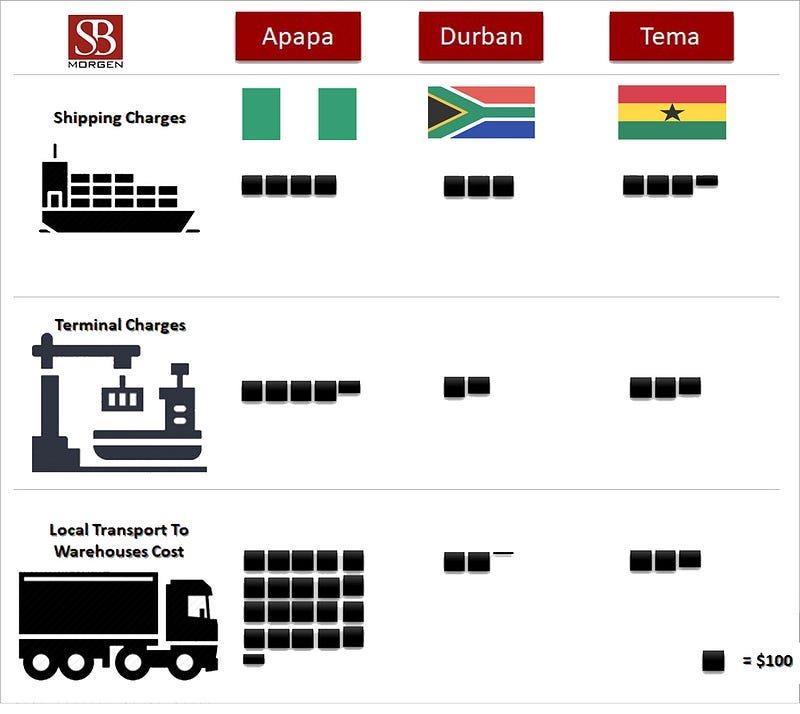
In February 2022, Russia invaded Ukraine, which set off a series of events that led to a crude oil price increase (up to $130 per barrel) because of supply concerns. Also, that event came on the back of eight consecutive quarters (from the third quarter of 2020 to the second quarter of 2022) of global crude oil inventory decreases. The lower inventory resulted from withdrawals from storage to meet the demand from rising economic activity after pandemic-related restrictions eased. Consequently, the price of refined products rose in the international market, such that in Nigeria, the price of aviation fuel shot up in early 2022. Having laid out this background, it is necessary to point out that the factors driving the rise in airfares in Nigeria are myriad. These factors range from increased demand from a shrinking middle class that wishes to avoid the insecurity of road travel to the cost of aviation fuel and Nigeria’s high airside taxes; all these factors have combined to continue to drive up costs. The domestic operators’ refusal to properly align with the Single African Air Transport Market (SAATM)’s demands, which is meant to improve local and continental air-travel rates by boosting airline connectivity and efficiencies, has not helped. Nigeria’s transport mix is now effectively stratified where there is a safe and expensive component (air); and land and sea-based components, which are riddled with security risks. It is hardly the ideal environment for conducting business. Take shipping. Studies show that the costs of shipping goods from China to Lagos are outweighed by the costs of moving the same goods within Lagos. A 2020 SBM study showed that local transport costs were ten times higher in Lagos than in Durban (South Africa) and Tema (Ghana). When intercontinental logistics costs are underweighted in-country transportation costs, it is easy to see a unique situation that negatively affects final costs and how this affects inflation and market depth. It is difficult to see how the situation will improve in the short term because the incoming administration is committed to removing the fuel subsidy, further pushing up transportation prices.