
The chickens are here
Nigerian businesses reliant on imports are facing disruptions as foreign suppliers reject letters of credit (LC) and insist on cash…

Nigerian businesses reliant on imports are facing disruptions as foreign suppliers reject letters of credit (LC) and insist on cash transfers into escrow accounts due to worsening foreign currency shortages. This shift reflects diminishing confidence in Nigeria’s banking system amid the dollar scarcity. In a related development, Afrexim Bank is reportedly seeking oil traders’ support to finance a $3 billion loan to Nigeria’s state oil company (NNPCL) to bolster the country’s efforts to support the naira. The currency recently hit a record low of 1,000 to the dollar on the black market on Tuesday.
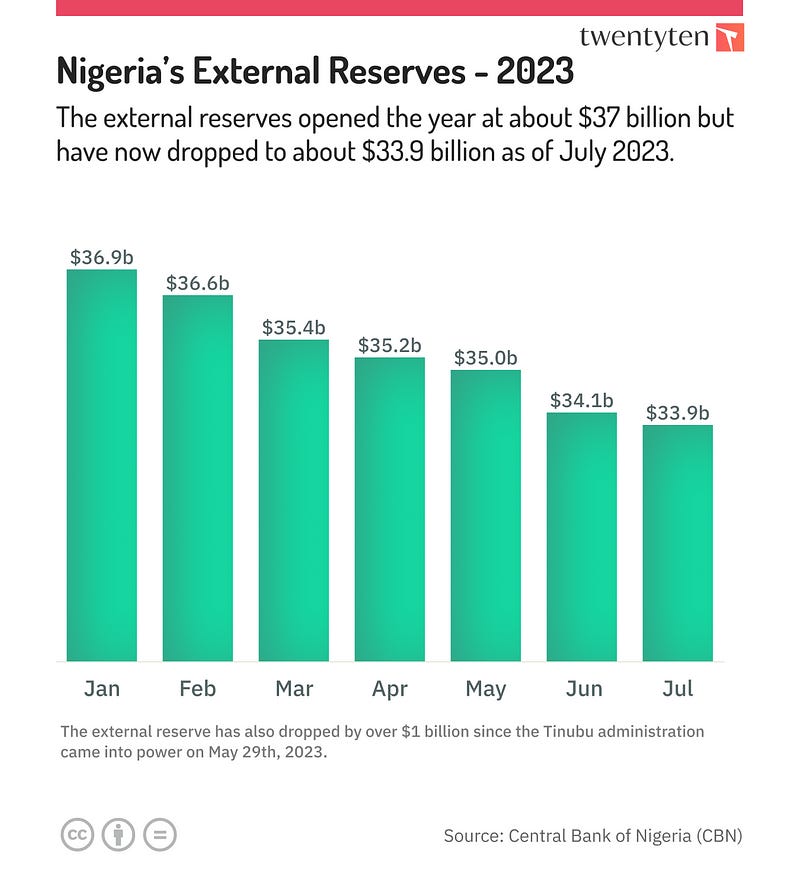
This is a sad development for a country of Nigeria’s size and stature. It is even worse for businesses that rely on imports for inputs that are needed for manufacturing. What this basically means is that the world’s financial system does not trust that Nigeria can meet its credit obligations — a situation caused by possessing insufficient dollars to cover imports. Nigeria is heading down a slippery slope, especially when the market knows that the government has little recourse than to go to the markets to borrow. They will certainly capitalise on this and raise interest rates. This is an absolute disaster, and it is the clearest indication that the fate of Nigerian businesses is inextricably tied to that of the state. Hitherto, many business people operated under the illusion that they could build in spite of government action running the country askew. Eventually, and inevitably, policy impacts businesses and translates to real operating costs. Furthermore, international trade involves the licensed exchange of goods across borders, and LCs are germane to international trade because they help mitigate risk by protecting importers and exporters through a network of banks and agents. The 2022 Triennial Central Bank Survey from the Bank for International Settlements indicated that the US dollar was bought or sold in about 88 percent of global transactions over the past few years, indicating that countries that have FX shortages will not be trusted to settle all their trades. Positively, due to high crude oil prices, Nigeria recorded a positive trade balance of ₦1.28 trillion in the second quarter of 2023, which should theoretically improve the country’s FX position, even accounting for it importing almost all of its refined petroleum products. Notwithstanding, the new CBN governor has a difficult task ahead of him in restoring investor and international stakeholders’ confidence in the Nigerian economy and its businesses. He should try to increase Nigeria’s foreign reserves by loosening bottlenecks that limit export expansion and disincentivise foreign investment. Additionally, he should improve the efficiency of the FX market. The success or failure of his efforts will have a major impact on the Nigerian economy and the lives of Nigerians.