
The cost of neglect
The UN is appealing for $910 million to address the humanitarian crisis in northeastern Nigeria.

The United Nations plans to appeal for $910 million to address the humanitarian crisis in northeastern Nigeria, marking the most expensive humanitarian crisis in West and Central Africa. 7.8 million people in Adamawa, Borno and Yobe states need aid, with the UN targeting 3.6 million. According to the UN, the crisis risks being overshadowed by conflicts in Ukraine, Gaza, and Sudan. A joint UN-Nigerian report warns of an impending hunger crisis, with over 30 million people expected to face food insecurity in 2025. This appeal highlights the urgent need for assistance amid worsening conditions in the region.
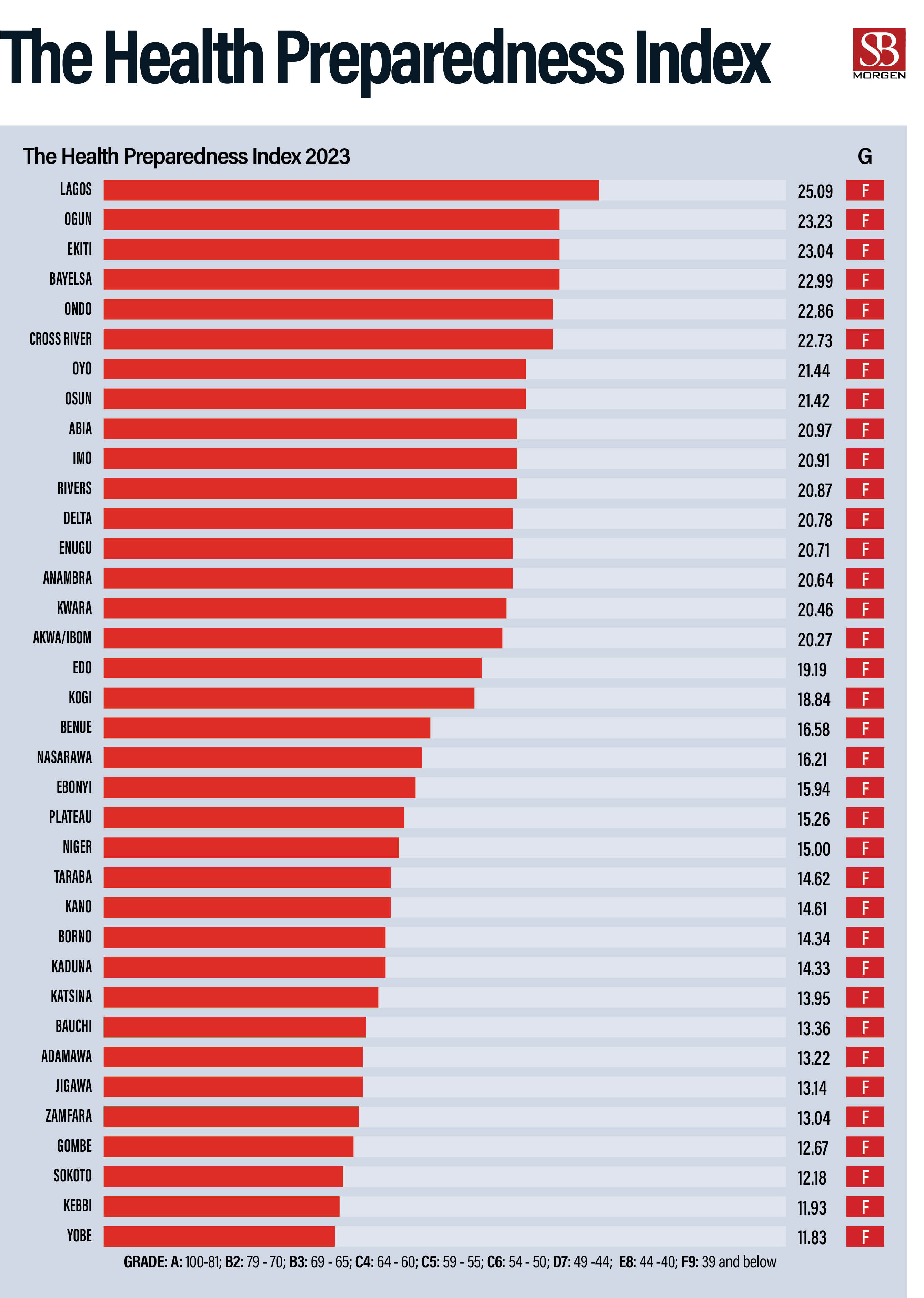
The $910 million appeal, being the most expensive humanitarian crisis in West and Central Africa, is unsurprising since Nigeria's record-high inflation has reduced access to food, fueling malnutrition. Food inflation in Adamawa, Borno, and Yobe rose to 42.93 percent, 41.69 percent, and 40.10 percent, respectively. It is not purely coincidental that the three states mentioned—Borno, Adamawa, and Yobe—are the epicentres of the Boko Haram insurgency. However, most recent attacks have been concentrated in Borno and Yobe’s boundary with Borno.
Despite military offensives, these groups continue to wreak havoc, particularly in rural communities, where they destroy farmlands, displace civilians, and undermine local economies. Over the years, the crisis has evolved beyond terrorism to include severe food shortages, climate-related challenges, and economic instability, all of which have deepened vulnerabilities. One of the most alarming aspects of this crisis is the looming food catastrophe. The food and nutrition insecurity analysis - Cadre Harmonisé, led by the Nigerian Government and supported by partners, in June 2024, alerted that more than 30 million Nigerians could be food-insecure by 2025, making it one of the worst hunger crises in the country’s history.
Inflation, high fuel prices, and supply chain disruptions have made food even more unaffordable, while insecurity in the northeast keeps farmers off their lands. In a region where displaced people rely heavily on food aid, failure to meet funding targets could push many toward famine-like conditions. The political and economic implications of an unchecked humanitarian crisis are far-reaching. If aid remains insufficient, the deteriorating situation could provide fertile ground for extremist recruitment, worsening the insurgency. Beyond the northeast, the crisis risks spilling into neighbouring countries such as Chad, Niger, and Cameroon, which already struggle with instability and refugee pressures.
Domestically, President Bola Tinubu’s government faces a tough balancing act as Nigeria grapples with economic turbulence, naira depreciation, and high inflation, limiting its ability to provide large-scale domestic relief. Without sustained international support, the Nigerian government alone may be unable to prevent further deterioration. To effectively respond, several urgent measures must be taken.
The plan for humanitarian assistance signals primarily that the humanitarian challenge is not anywhere near over. Under logical circumstances, the Borno State Government’s claim that much of the state is safe for habitation during its 2021/2022 push to relocate persons fleeing the insurgency to their respective local governments of origin would mean reduced need for such dire humanitarian assistance.
Facts on the ground have proved differently. Not only are the insurgents still holding territory, but logistical commuting across roads, both under insurgent control or otherwise, is mined with explosives, which has made economic activities nearly impossible. A few weeks ago, more than a hundred fishermen who dared to remain in places under insurgent control were killed by the JAS faction of Boko Haram in Baga over a territorial and tax dispute that does not involve the civilians.
Under the prevailing geopolitical circumstances, the proposed $910 million appeal may seem paltry. However, it will not be considered a priority ahead of seemingly more pressing global humanitarian challenges in Ukraine, Gaza, Myanmar and Sudan. In the sprawling landscapes of Sub-Saharan Africa, the United Nations has set its sights high, aiming for $19 billion each year from 2022 to 2024 to address the region's dire humanitarian needs. Yet, the reality on the ground tells a starkly different tale. In 2022, the area saw only about $9.88 billion, half of the desperately needed funds. The following year, 2023, was no better, with just over a third of the global appeal funded, translating to roughly $6.33 billion for Sub-Saharan Africa. As we entered 2024, the funding gap loomed larger than ever, with the UN scaling back its expectations due to persistent shortfalls, leaving millions in need amidst crises that grow by the day.
These geopolitical headwinds, coupled with the new Trump administration’s decision to halt aid, provide an opportunity for the governments of these states to step up. The health sector budget of ₦89.97 billion ($55 million) for 2025 in Borno State represents 15.39% of the total budget of ₦584.76 billion. That may look good on paper, considering that health ranks third ahead of education and works & housing. However, implementation without corruption is a key driver in achieving the output that this funding gap might require.
Given Nigeria's history of corruption in relief efforts, ensuring transparency and accountability in aid distribution is essential. Donor confidence will decline further if funds fail to reach those in need. Third, while emergency relief is necessary, long-term strategies such as investments in climate-resilient agriculture, security sector reforms, and infrastructure development must be prioritised to break the cycle of dependence. Regional cooperation with Lake Chad Basin countries will also be necessary to address the crisis's cross-border security and economic dimensions. Ultimately, the $910 million appeal tests the global community’s willingness to respond to one of Africa’s most pressing humanitarian crises. Whether the necessary funds are mobilised—or whether northeast Nigeria remains an afterthought in the international aid landscape—will determine the fate of millions. Failure to act decisively will deepen suffering and contribute to greater instability in a region already on the brink.