
The highway isn’t safe
The chairman of the Lagos State chapter of the Peoples Democratic Party, Philip Aivoji, who some yet-to-be-identified gunmen abducted along…

The chairman of the Lagos State chapter of the Peoples Democratic Party, Philip Aivoji, who some yet-to-be-identified gunmen abducted along the Lagos-Ibadan Expressway, has regained his freedom. Mr Aivoji and some other party chieftains were abducted at the Ogere area of the Lagos-Ibadan Expressway while returning from the party’s Stakeholders’ Zonal Caucus meeting held in Ibadan. Meanwhile, gunmen killed two traditional rulers in Ekiti State between Oke-Ako and Ipao-Ekiti in Ajoni Local Government Area (LGA). The victims are Onimojo of Imojo Ekiti in Oye LGA and Elesun of Esun Ekiti in Ajoni, Ikole LGA, while another chief, the Alara of Ara, reportedly escaped.
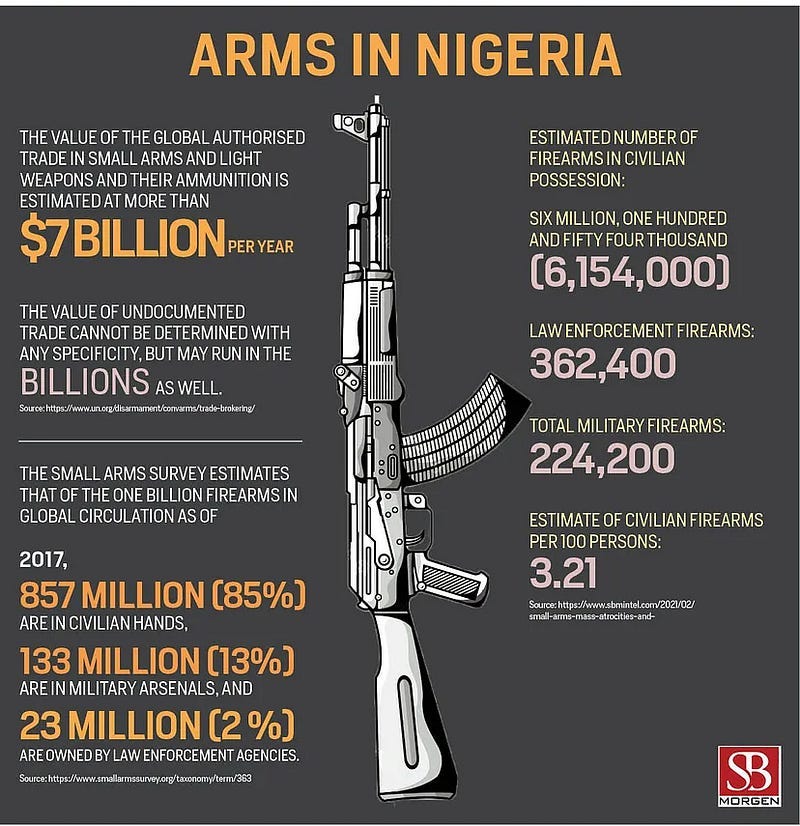
As Nigeria’s kidnap epidemic boils over, it is important to note that the insecurity in the Southwest is not a recent phenomenon. It reached a boiling point between 2019 and 2020. The killing of the Ekiti chiefs is not also the first time such a high-profile, headline-stealing death would happen in recent times. Suspected Fulani herders in June 2019 killed Funke Olakunrin, daughter of Afenifere leader Pa Reuben Fasoranti, in Ore, Ondo State, on her way to Lagos. That incident hastened the process that set up Operation Amotekun by the Western Nigeria Security Network. A year later, the Olufon of Ifon was killed by kidnappers in Ose LGA of Ondo State. What these deaths, the killing of the Ekiti chiefs and the abduction of the Lagos PDP boss have in common is that they all happened on an intercity road. While home invasions are becoming a common tactic for kidnappers in Abuja and many parts of the Northcentral and Northwest, most abductions in the Southwest still occur on the roads. These highway abductions are precisely part of what Amotekun was created to prevent. Since its creation, the success of the Amotekun security outfit in the Southwest has been debated, and the recent surge in insecurity has questioned its effectiveness. But beyond the immediate outrage, a deeper analysis reveals a chilling factor: The proliferation of small arms. A 2020 SBM Intelligence report, “Small arms, mass atrocities and migration in Nigeria,” painted a stark picture of readily available firearms across all regions and predicted a rise in violent crime. This easy access, the report argues, is fueling kidnapping’s rise by empowering criminals: guns make kidnapping a more lucrative and less risky option compared to other forms of crime. Criminals feel emboldened, victims intimidated, and resistance minimised. The abundance of firearms has weakened state authority and strengthened criminal groups. The Lagos-Ibadan Expressway kidnappings, where gunmen were reportedly armed, exemplify how firearms embolden criminals. The vast, poorly secured expressway allows them to operate with impunity. It is crucial to remember that kidnapping impacts everyone, not just high-profile figures. Ordinary citizens, particularly in vulnerable regions, live under the constant threat of abduction. This not only shatters lives but also cripples economic activity and stifles development as our report on the effect of kidnapping in Abuja, published yesterday, shows. As abductions and killings continue, calls for state and community policing will grow louder. The federal government will be forced to choose between decentralising security and maintaining central control. Given its history, it is likely that the government will try to have it both ways, attempting to decentralise while maintaining control. Nigeria’s leaders should prioritise curbing the proliferation of small arms, having stricter gun control measures, and cracking down on the smuggling of weapons across borders. However, no matter how many measures are put in place, there will be limited progress if the root causes of insecurity―poverty and unemployment―are not addressed. Solving the problem of insecurity requires a holistic approach that tackles both its symptoms and root causes.