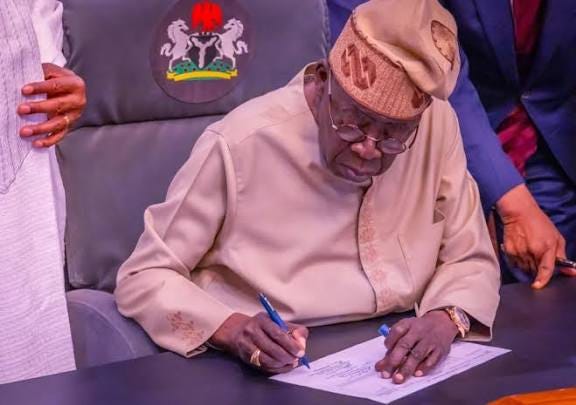
The Noose Tightens: Analysing the ‘Presidential Executive Order to Safeguard Federation Oil and Gas Revenues and Provide Clarity 2026’
President Tinubu's recent Executive Order centralises oil revenue control under loyalists, and reads as political theatre dressed in legal language raising fears of maximum revenue extraction.

The Executive Order, signed on 13 February 2026, represents a decisive centralisation of revenue control if President Tinubu does secure a second term. The effect of the Order will be to consolidate fiscal authority in a manner that reads less like a carefully crafted legal instrument and more like a political statement dressed in legal clothing. Paired with the ongoing transfer of all revenue-generating functions to the newly created Nigeria Revenue Service under Zacch Adedeji, the picture becomes clear: this administration is positioning itself to enhance direct federal oversight of revenue collection and allocation. This analysis looks at the strategy behind the Order, the role of the country’s revenue czar, the political statement, and finally, the risks.