
Through the nose
Ghana’s Producer Price Index (PPI) rose to 29.1% in July 2024, a 3.5% increase from June. The industry sector PPI (excluding construction)…

Ghana’s Producer Price Index (PPI) rose to 29.1% in July 2024, a 3.5% increase from June. The industry sector PPI (excluding construction) jumped to 37.9%, while construction reached 30.5%. The services sector also saw a rise to 12.6%. Mining and quarrying (48.8%) and construction had the highest inflation rates, while water supply and waste management recorded the lowest at 2.6%. Meanwhile, Ghana’s Peasant Farmers Association criticised the government’s decision to ban grain exports, including maize and rice, without consultation, fearing it may harm farmers who rely on exports to cover production costs amid ongoing droughts.
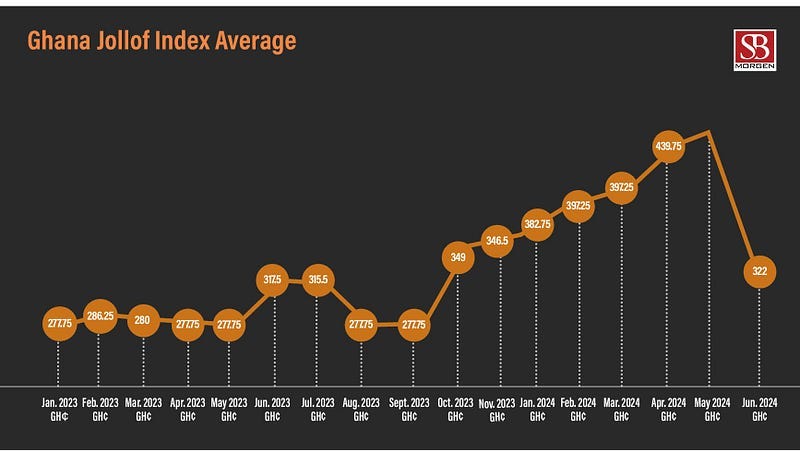
Ghana’s current producer inflation is a stark reminder that the West African country’s economy is still grappling with severe challenges despite undergoing a painful debt restructuring and receiving financial support from the IMF. Since the beginning of the year, the Ghanaian cedi has depreciated by nearly 30% against the US dollar, a primary driver of consumer and producer inflation. The depreciation of the cedi has a pervasive impact on the economy, affecting every sector and complicating the Bank of Ghana’s efforts to lower the policy rate. This situation has left businesses facing prohibitively high costs of accessing capital. Compounding the exchange rate challenges are threats from climate change, which have adversely affected the country’s major agricultural regions. In response, the government has deemed it necessary to ban cereals’ exportation, aiming to curb rising food prices and reduce the pressure on the nation’s import bill. With many Ghanaians already spending nearly 90% of their income on food, the current drought conditions could lead to even higher food prices, making staple meals like jollof rice and banku increasingly unaffordable for the average household. The government has outlined a GH¢8 billion ($500 million) intervention plan to address the looming food security crisis. This plan, primarily aimed at supporting farmers affected by the dry weather, is crucial to ensuring food security in the country. The funds will be sourced from a combination of the Contingency Fund, budget realignment and contributions from development partners. However, the effectiveness of these measures will be closely watched as the country continues to navigate the economic headwinds.