
Tightened tariffs
Nigerian Ports Authority's approved 15% tariff hike faces opposition from business groups.

The Nigerian Ports Authority (NPA) has secured approval to increase tariffs by 15% to upgrade infrastructure and equipment, marking the first adjustment since 1993. Managing Director Abubakar Dantsoho said the hike is essential to modernise ports, improve competitiveness, and deploy ICT infrastructure. However, the Nigeria Employers’ Consultative Association (NECA) and the Manufacturers Association of Nigeria (MAN) oppose the increase, warning it will raise production costs and harm businesses. NECA also criticised a 4% Customs Administration Charge, arguing it could increase import costs by ₦2.84 trillion, fuelling inflation and poverty. Both groups urged the government to reconsider the policies.
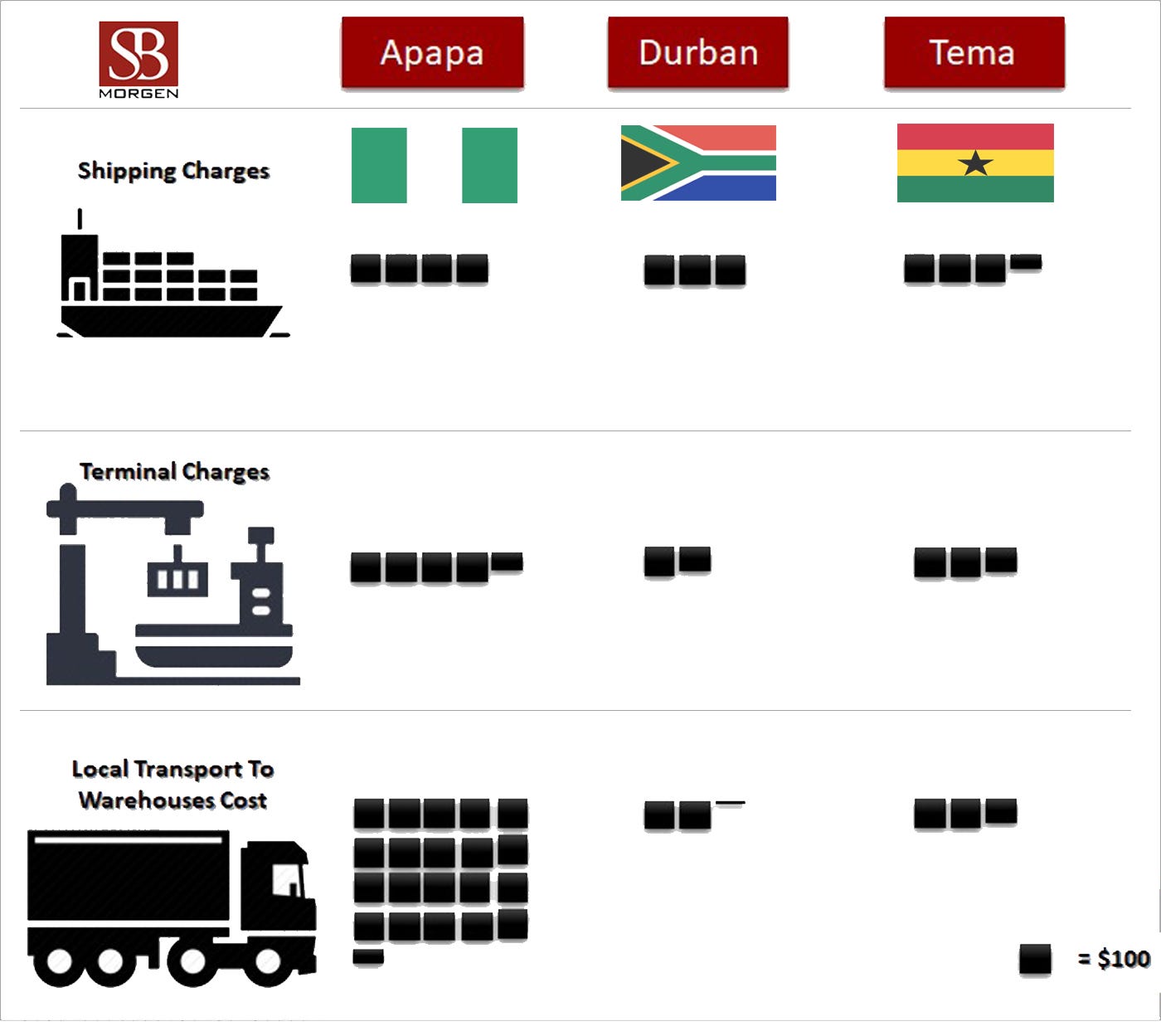
Nigeria’s ports are widely regarded as among the most inefficient in the world, plagued by systemic bottlenecks, bureaucratic red tape, and operational inefficiencies that hinder trade and economic growth. In November of last year, the Trade Policy Review body of the World Trade Organisation (WTO) highlighted these challenges, expressing particular concern over the high rate of physical inspections of containers at Nigerian ports. The WTO urged the country to overhaul its customs procedures to adopt more timely, transparent, and cost-effective practices. Such reforms are critical to reducing delays, lowering costs for importers and exporters, and improving Nigeria’s competitiveness in global trade.
The WTO also raised alarms about Nigeria’s longstanding import prohibitions on a wide range of agricultural products, which create significant trade barriers when combined with tariff peaks and additional levies. While ostensibly designed to protect local industries, these policies have had unintended consequences. They risk exacerbating food insecurity, increasing food price inflation, and discouraging private-sector investment in the agricultural sector. By restricting access to essential food items and agricultural inputs, these measures undermine efforts to achieve food self-sufficiency and stifle the growth of a vital sector of Nigeria’s economy and employment.
Against this backdrop, it is deeply concerning that the Federal Government has allowed the Nigerian Ports Authority (NPA) to increase its tariffs. This decision compounds the existing inefficiencies and raises the cost of doing business at Nigerian ports, further eroding their competitiveness. The higher costs and persistent inefficiencies have led many importers to bypass Nigerian ports, opting to ship their goods to neighbouring ports in Benin Republic and Togo. From there, goods are transported into Nigeria via land routes, either legally or through illicit channels. This diversion of trade not only deprives Nigeria of much-needed port revenue but undermines efforts to curb smuggling and enforce customs regulations.
The situation underscores the urgent need for comprehensive reforms to modernize Nigeria’s port infrastructure, streamline customs procedures, and create a more business-friendly environment. Without such measures, the country risks losing its position as a regional trade hub, further straining its economy and perpetuating a cycle of inefficiency and lost opportunities. Addressing these challenges requires policy adjustments and a commitment to transparency, accountability, and collaboration between the government, private sector, and international partners. Only then can Nigeria’s ports become a catalyst for economic growth rather than a bottleneck holding the nation back.