
Time to clean house
Nigeria's government has initiated a forensic audit of the NNPC, as announced by Finance Minister Wale Edun, to increase transparency in the oil sector.

Nigeria’s government has launched a forensic audit of NNPC Limited, announced by Finance Minister Wale Edun at the Nigerian Investor Forum in Washington. Edun highlighted recent leadership changes at NNPC—appointing Bayo Ojulari as GCEO—and stressed the company’s mandate to increase oil production and revenue. He acknowledged NNPC’s claim for arrears related to fuel subsidy removal, noting that a reconciliation process is ongoing. The audit aligns with growing demands for transparency in the oil sector. Edun assured investors of broader economic reforms, signalling a commitment to accountability and improved governance within Nigeria’s most critical revenue-generating institution.
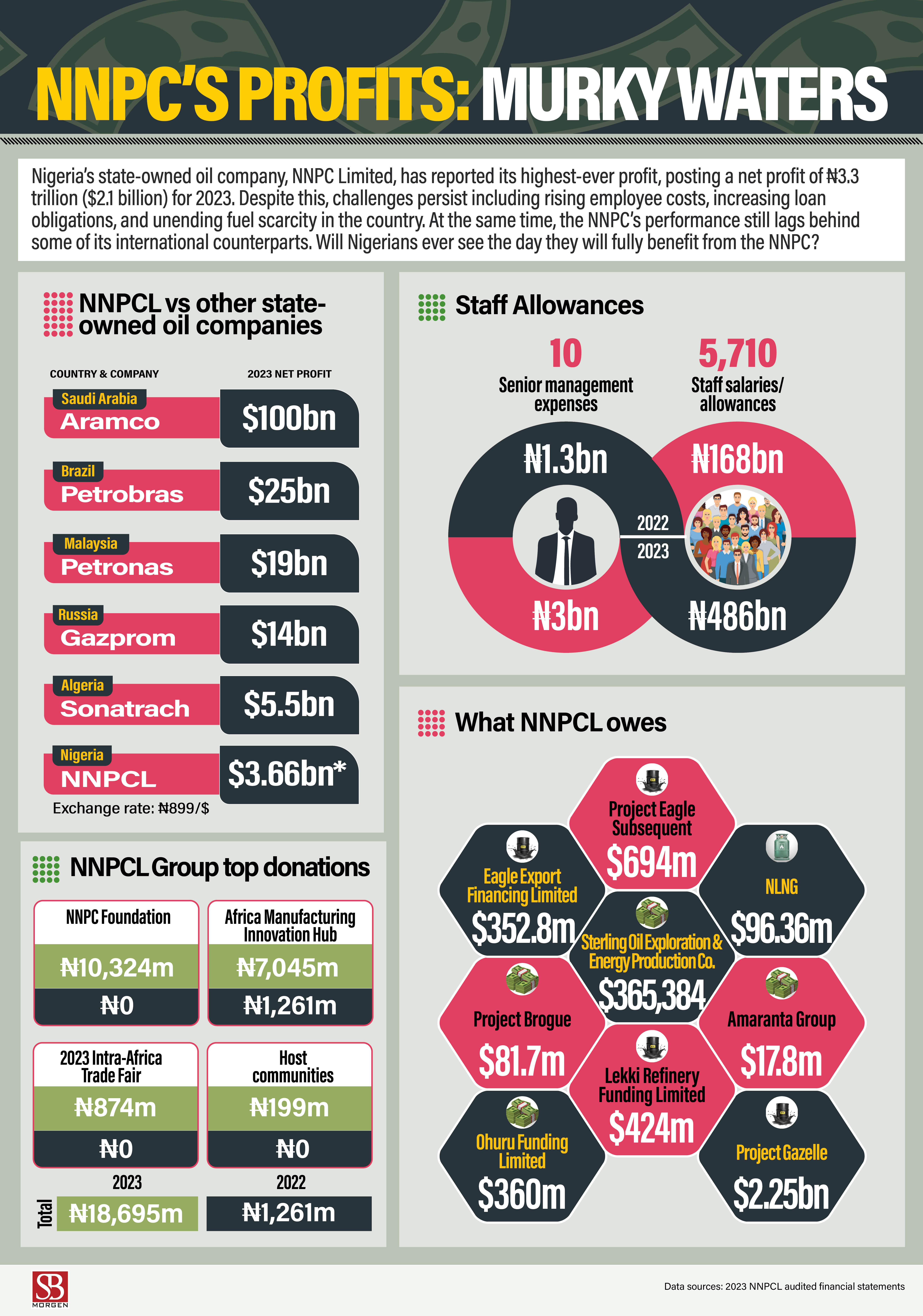
This is not the first time the Federal Government has ordered a forensic audit of the NNPC. In 2014, President Goodluck Jonathan commissioned PricewaterhouseCoopers (PwC) to investigate following explosive allegations by then-Central Bank Governor Sanusi Lamido Sanusi, who accused the NNPC of misappropriating over $20 billion. While PwC’s report did not confirm that exact figure, it recommended that the NNPC and its upstream subsidiary, the NPDC, refund at least $1.48 billion to the Federation Account and called for a sweeping restructuring of the corporation. Given this precedent, expectations for the current audit should be tempered. It may uncover billions in questionable transactions, but it is unlikely to address the deeper systemic flaws that allow such malfeasance to persist. The NNPC will probably remain the opaque and inefficient behemoth it has always been.
This latest audit coincides with a leadership transition at the NNPC, marked by the appointment of Bayo Ojulari as Group Chief Executive Officer. This change appears symbolic on the surface, but it could signal the administration’s intent to align management with its long-promised reform agenda. However, the credibility and impact of any forensic audit depend not just on technical rigour but on the political will to act decisively on its findings. Nigeria has seen countless probes in the past—many loudly announced but quietly shelved.
A key focus of the current audit will likely be the NNPC’s subsidy claims, particularly the arrears linked to the fuel subsidy removal. These legacy liabilities have long distorted Nigeria’s public finances and hampered fiscal planning. The ongoing reconciliation process is critical to determining the true scale of government obligations and verifying whether past deductions and payments were justified. This step is also vital for assessing the NNPC’s actual cash flow and ability to fund upstream projects needed to boost production.
Significantly, the audit aligns with longstanding domestic and international demands for greater transparency in Nigeria’s oil and gas sector. Global investors have consistently cited the NNPC’s opaque operations—from crude-for-product swap deals to irregular revenue remittances—as major barriers to investment. A credible, independently managed audit could help alter that perception, particularly if its findings are made public and followed by tangible reforms.
That said, expectations must remain realistic. The NNPC’s conversion into a limited liability company under the Petroleum Industry Act was meant to herald a new era of efficiency, professionalism, and reduced political meddling. Yet institutional inertia and entrenched vested interests remain stubborn hurdles. While an audit is necessary, it is only one piece of the puzzle. For it to be meaningful, it must be accompanied by structural reforms in procurement practices, financial reporting standards, and regulatory oversight. Without sustained and concrete action, this latest audit risks becoming another performative exercise in Nigeria’s long history of squandering opportunities to fix its most critical and dysfunctional sector.