
Under siege
At least 12 people were killed Wednesday morning as an explosive planted by bandits blew off the Gadar Mailamba (Mailamba Bridge) in Tashar…

At least 12 people were killed Wednesday morning as an explosive planted by bandits blew off the Gadar Mailamba (Mailamba Bridge) in Tashar Sahabi in Maru LGA, Zamfara State. Premium Times reported that an explosive planted by bandits had also blown up another bridge in the same local government area on Sunday. The Zamfara State Police Command said the newly identified terror group, Lakurawa, is responsible for the recent explosions. Earlier, gunmen attacked a mining village in the state, abducting at least 50 people, including women and children. Three others were killed, and seven were injured in the attack.
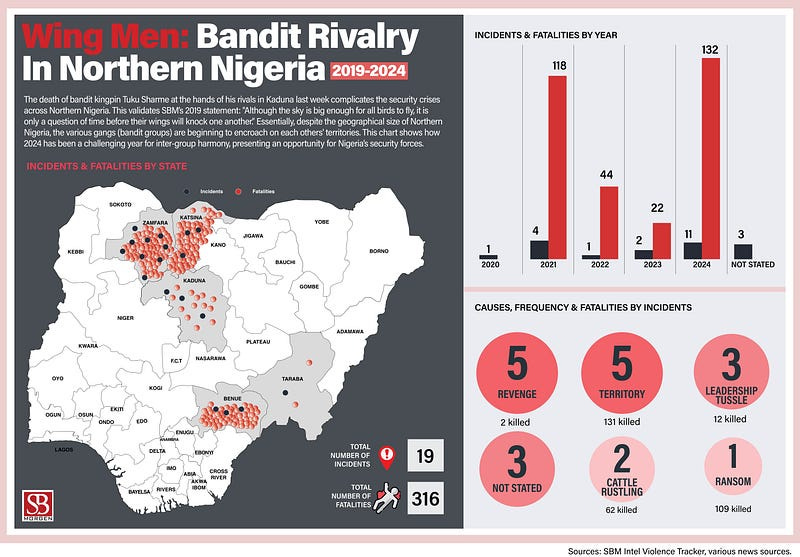
In some ways, the use of explosives in conflicts in the Northwest closely resembles the dark days of the Boko Haram insurgency’s peak between 2012 and 2014. Although the group may have been pushed to Lake Chad’s fringes, not only have its networks across the North remained, the bomb-making expertise which the bandits–otherwise known as economic terrorists–require is in high demand. The veteran jihadists’ services to the bandit warlords range from bomb-making advisory to routes to more transnational collaboration. The latter is important as foreign armed groups increasingly seek a foothold in Nigeria’s wild Northwest. Speculations surround the explosive planted in Maru. The Zamfara State Police identified the Lakurawa group as responsible for the recent explosions, marking the second such incident along the Dansadau road within a week, but some other sources attributed the bombings to bandits seeking to avenge the death of their leader, Sani Black. Black, an important figure in the region’s terrorism landscape, was a protégé of Tsoho Buhari and an ally of Halilu Sububu, both prominent criminal leaders, both now dead. Simultaneously, a power struggle is fracturing another bandit and Sububu’s putative successor, Najaja’s, criminal network after the killing of his brother and top commander, Dan’auta, during a confrontation with rival commander Dullu. Leading a faction of approximately 400 armed men, Dullu has long harboured resentment toward Najaja’s leadership, which he views as illegitimate following Sububu’s death. Throughout much of the past year, aside from civilian casualties, insecurity across the North has been primarily defined by a civil war among bandit kingpins spurred by intensified pressure from Nigeria’s security forces. While other factors, such as territorial ambitions, may have fueled this conflict, the alleged dislodgement of the Lakurawa group in Kebbi has added a new layer of complexity. Now resurfacing in volatile areas like Kaduna and Zamfara, the group may seek to exploit the ongoing armed struggles between bandit kingpins to bolster its ranks, potentially driving out the bandits and expanding its caliphate further south along the boundary with Niger State. The immediate danger is the obvious appropriation of a significant chunk of Nigerian territory, almost the size of Italy. Another big consequence would be in the form of the loss of mining opportunities, especially in places like Baggega, a town in the gold mining local government area of Anka, Zamfara, where bandits are trying to augment the stark competition in mining by abducting residents to make up for the shortfall in revenue. In all these, the Nigerian security services have their work cut out for them. Beyond their sluggish response to the Lakurawa, they must exploit these divisions and, very importantly, stop the proliferation of explosives which have bled out the military in Kaduna and crippled power infrastructure across the North.