
Unearthing the past
Nigeria plans to resume Ogoniland oil production despite past devastation. This move coincides with $1.4 million fuel subsidy fraudsters receiving 14-year sentences.

After three decades of suspended operations, Nigeria is set to resume oil production in Ogoniland, according to National Security Adviser Nuhu Ribadu. This move comes amid lingering environmental devastation from past spills, highlighted in a 2011 UNEP report that warned of long-term contamination and a 30-year cleanup timeline. Meanwhile, in a separate development, oil marketers Mamman Ali and Christian Taylor were sentenced to 14 years in prison over a ₦2.2 billion fuel subsidy fraud dating back to 2011. Their conviction, part of the fallout from the 2012 #OccupyNigeria protests, marks a rare accountability milestone in Nigeria’s troubled oil sector.
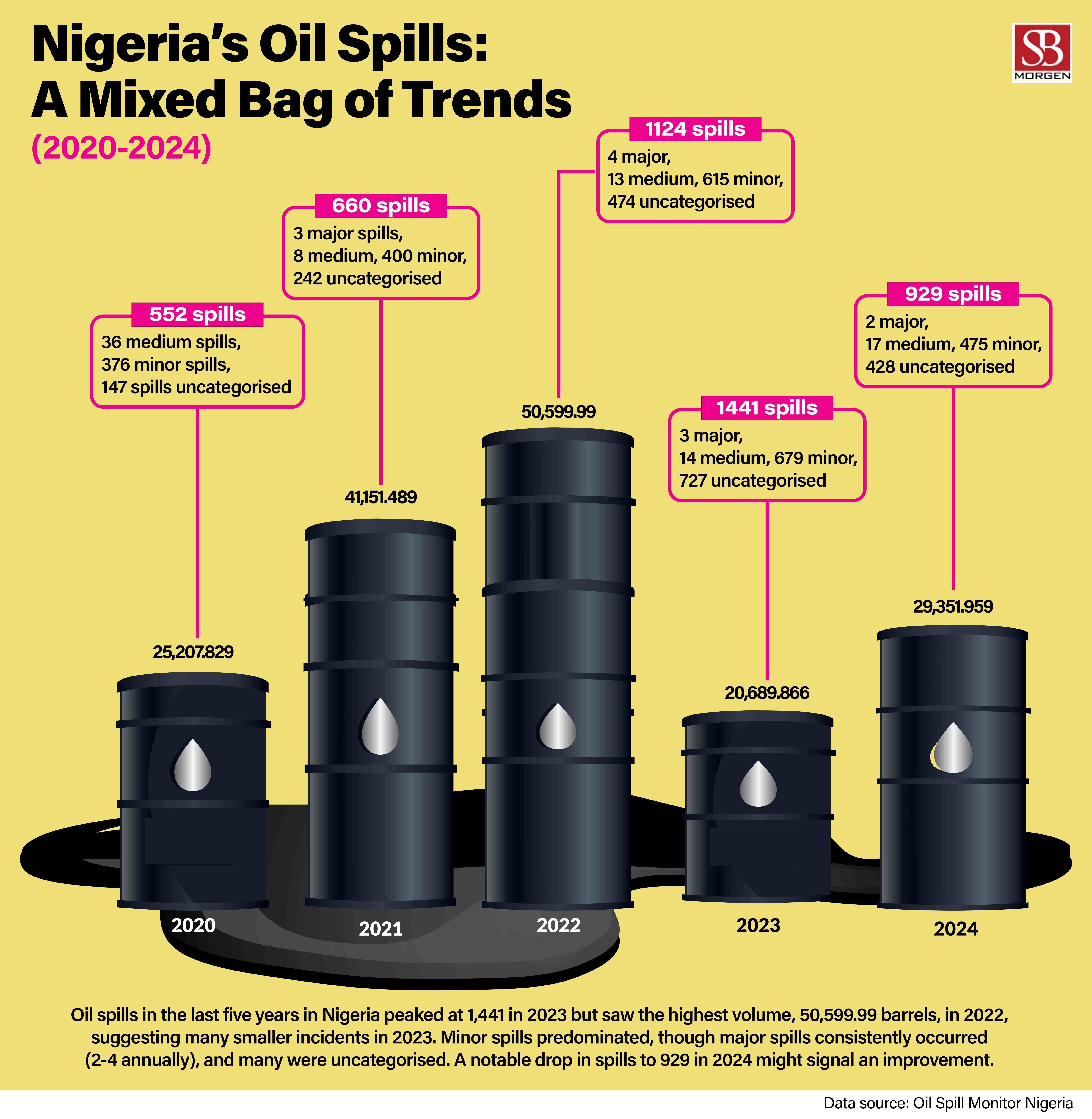
Nigeria's decision to resume oil exploration in Ogoniland, after a three-decade suspension of operations, is a deeply troubling development, given the region's history of severe environmental devastation. Between 1976 and 1991, an estimated two million barrels of crude oil were spilt in Ogoni, causing extensive contamination, waterborne diseases, and numerous deaths. While a clean-up and restoration exercise was reported to be 70% complete by 2023, including potable water projects, the government's plan to restart exploration just two years later, without providing clear updates on the clean-up's progress (which is widely reported as significantly behind schedule), raises serious concerns about repeating past mistakes.
This move starkly highlights Nigeria's enduring "oil curse," where exploration has consistently brought immense trauma and profound damage to host communities. With the government seemingly determined to proceed in Ogoniland, and the local populace having limited avenues for redress, the relationship between these communities and oil companies must evolve beyond a mere "use and dump" dynamic. We hope that the over 150 host community development trusts established will genuinely lead to better outcomes, especially as these fields could contribute over 100,000 barrels of crude oil per day to Nigeria's national production. The relentless insistence on increasing oil production at all costs risks exacerbating existing environmental and social grievances.
This situation is compounded by systemic corruption within Nigeria's oil sector and justice system. The Ali-Taylor case, spanning 13 years, underscores this. Oil marketers Mamman Ali and Christian Taylor were sentenced to 14 years in prison for a ₦2.2 billion fuel subsidy fraud dating back to 2011. Ali's ability to forge documents and secure approvals is difficult to disconnect from his father's significant political influence as a former chairman of the Petroleum Products Pricing Regulatory Agency (PPPRA). This conviction, a rare milestone in accountability stemming from the 2012 #OccupyNigeria protests, exposes pervasive issues within Nigeria's political elite and highlights the urgent need for judicial reform. The protracted duration and numerous setbacks in the trial are direct consequences of the Nigerian judiciary's struggles to deliver timely justice, not only for the elite who often manipulate proceedings but also for the ordinary citizen.