
Union plugs the well over
A Nigerian court halted a strike at the Dangote refinery over 800 sacked workers, fearing economic damage. The union has now called off the action.

The Dangote Petroleum Refinery is locked in a labour dispute after the Petroleum and Natural Gas Senior Staff Association of Nigeria (PENGASSAN) ordered members to cut crude and gas supplies in protest over the dismissal of more than 800 workers, allegedly replaced with foreign nationals. Management defended the layoffs as part of a reorganisation to improve safety and efficiency, accusing the union of misinformation. The standoff coincided with crude shortages and foreign exchange pressures that briefly forced the refinery to suspend petrol sales in naira. Sales later resumed after intervention by the Crude Technical Committee. On Monday, the National Industrial Court in Abuja issued an interim order halting the planned strike. Presiding judge Emmanuel Sublim ruled that disrupting supplies could harm the economy, restraining PENGASSAN from taking action. The court also barred regulators and the Nigerian National Petroleum Company (NNPC) Limited from enforcing any directive to stop supplies. By Tuesday, the Federal Government announced that PENGASSAN had agreed to call off its strike following two days of conciliation meetings with Dangote Refinery’s management. The case has been adjourned to 13 October for a full hearing.
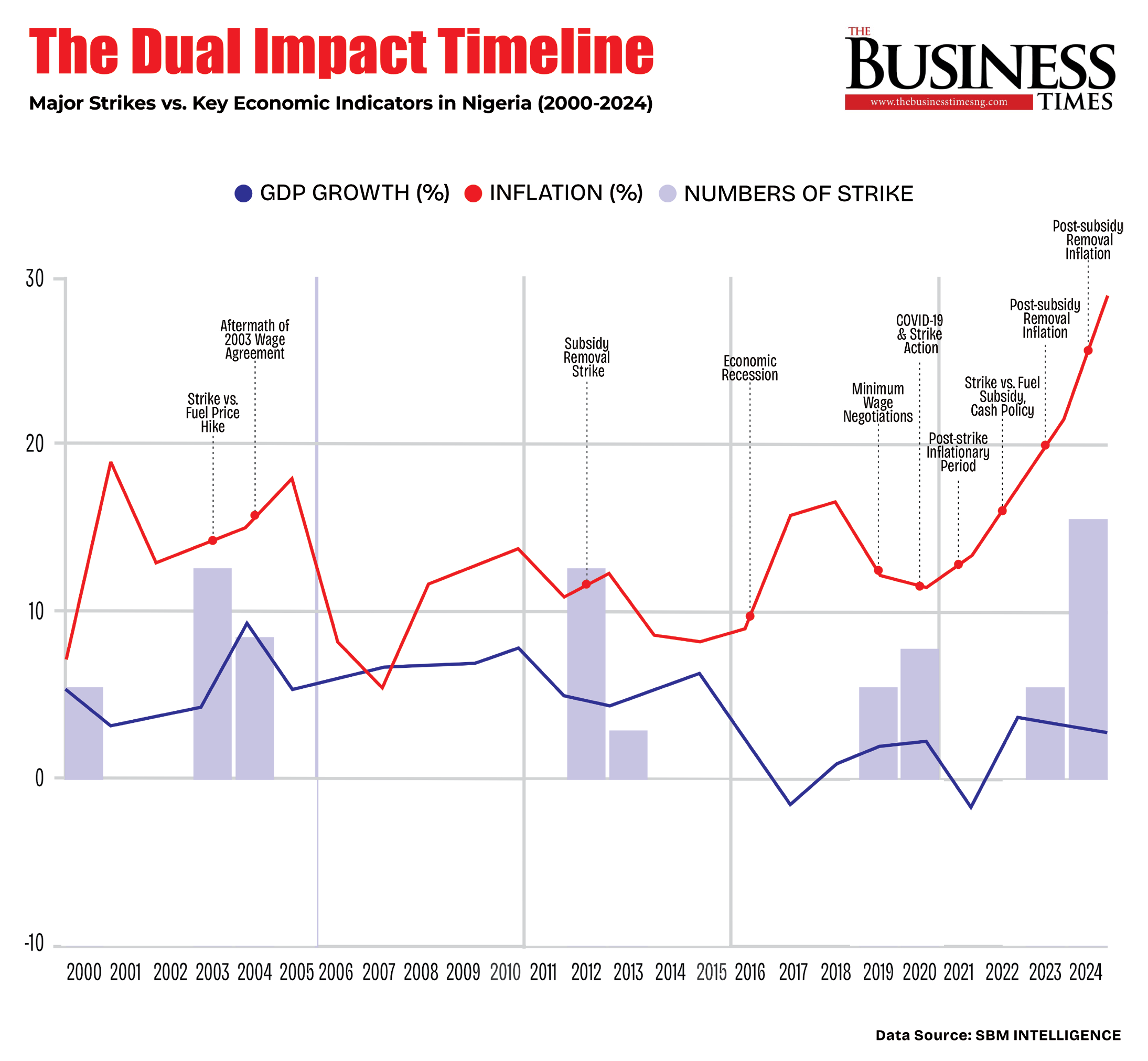
The Dangote Refinery’s confrontation with PENGASSAN underscores the fragile equilibrium between Nigeria’s most ambitious industrial project and the entrenched power of organised labour in the energy sector. At the heart of the dispute lies not just the dismissal of 800 workers and their alleged replacement with foreign staff, but a deeper contest over ownership, national pride, and the role of Nigerian labour in a project that has been marketed as a solution to decades of dysfunction in the petroleum value chain.
The refinery’s management, framing the layoffs as a safety and efficiency-driven reorganisation, appears to be asserting a private-sector logic of operational autonomy in a space traditionally shaped by state-owned entities and union influence. PENGASSAN, in turn, has treated the issue as emblematic of broader anxieties: fears of marginalisation of Nigerian workers in favour of expatriates, concerns over job security in a tight labour market, and suspicions that Dangote’s dominance in refining will tilt bargaining power away from unions.
The timing of the standoff amplified its impact. With crude shortages and forex pressures already straining operations, the union’s threat to cut supply posed an existential risk to refinery throughput and national fuel stability. The swift intervention of the National Industrial Court reflects the state’s recognition that any disruption at Dangote Refinery could reverberate across inflation, trade balances, and political legitimacy, given the refinery’s centrality to Tinubu’s energy reform agenda.
That conciliation meetings led to a temporary truce highlights the government’s role as a critical broker. Yet, it also points to the structural tension between Nigeria’s desire for large-scale private investment and its enduring reliance on unions as guardians of national labour interests. While the adjournment to October provides breathing space, the underlying conflict, balancing efficiency, labour rights, and the refinery’s quasi-strategic status, remains unresolved.
For Nigeria’s wider industrialisation project, the Dangote-PENGASSAN clash is a cautionary marker: mega-projects cannot be insulated from legacy labour dynamics, nor can they succeed if operational efficiency is perceived to come at the expense of national workforce inclusion. The outcome of this dispute will shape not just the refinery’s stability, but the credibility of Nigeria’s broader attempt to use private-led infrastructure as a lever for economic transformation.