
Uphill
The Ghana cedi has lost 8.63% in value to the dollar since the beginning of 2024 as pressure continues to mount on the local currency. The…

The Ghana cedi has lost 8.63% in value to the dollar since the beginning of 2024 as pressure continues to mount on the local currency. The country’s interest rates also fell for the 11th week as demand for the Treasury bills surged. Despite the International Monetary Fund’s (IMF) $3.0 billion bailout, Bloomberg predicts more tough times for the cedi as the debt restructuring with Eurobond holders drags. During her visit to Ghana, the IMF Managing Director, Kristalina Georgieva, said Ghana’s failure to reach a better deal with its Eurobond holders could prolong the country’s debt situation.
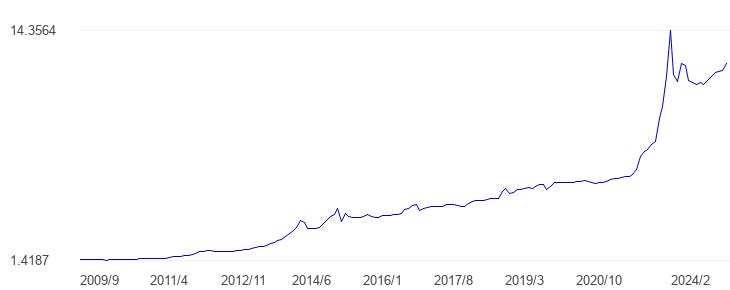
Ghana is in a big economic quagmire; unstable power supply, partial internet shutdown and on top of the list is a depreciating domestic currency. The West African country has still not been able to find an effective way to deal with its economic crisis, which gained momentum in 2022. A $3 billion IMF bailout package is expected to wind down the impact on ordinary Ghanaians and give life to key economic indicators. Almost a year after implementing the first phase of the IMF programme, inflation has dropped from a 2022 peak of 54% to 23.5%, signalling a positive outcome. Beyond inflation, critical indicators such as exchange rate and unemployment have failed to yield the intended outcomes. When Ghana approached the Fund for a bailout after it was kicked out of the international capital market, one key solution the authorities sought was an intervention to clear the dark clouds around its domestic currency, which had lost more than 30% of its value to major trading currencies like the US dollar. After receiving about $2 billion from the IMF, World Bank and AfDB combined, Accra is returning to its 2022 level, where the cedi was no match for the US greenback. As the depreciation story continues, it is projected that the IMF Managing Director’s visit could help expedite debt rework negotiations between Ghana and its commercial creditors. One of the country’s leading foreign exchange earners, cocoa, is in short supply as Ghana fails to reach the targeted yield, causing demand and supply shortfalls. At the moment, the only viable option is for Accra to pass its second IMF programme review, which could help unlock about $350 million in forex inflows from the Fund alone, plus other scheduled disbursements from the World Bank and the African Development Bank partially conditioned on a successful debt restructuring exercise with its commercial creditors. In total, Ghana is expecting more than $700 million from sources like the IMF, World Bank and the AfFB in 2024, and it is projected that this could avert further depletion of its international reserves, which can only afford less than two months of imports. In the short run, the Ghanaian authorities are working around the clock to close restructuring talks with its commercial creditors, including Eurobonds, to gain the needed financing assurances for the disbursement of the IMF third tranche expected to hit Bank of Ghana’s account by May 2024. For now, the incoming $300 million budget support from the World Bank looks like the most immediate inflow to stop the cedi from further depreciation.