
Utility bills up, gold rules tighten
Ghana raises electricity by 3.49% and water by 0.85%, while imposing stricter reporting rules on gold buyers.

Ghana has announced modest increases in utility tariffs and introduced stricter regulations for its gold trading sector. The Public Utilities Regulatory Commission (PURC) said electricity tariffs will rise by 3.49 percent and water tariffs by 0.85 percent from July 1, 2026, citing exchange rate movements, inflation and energy costs. Meanwhile, the Ghana Gold Board has directed licensed gold buyers to report transactions within five minutes, issue immediate receipts and maintain records for inspection. The measures aim to ensure the sustainability of the utility sector and improve transparency in gold trading.
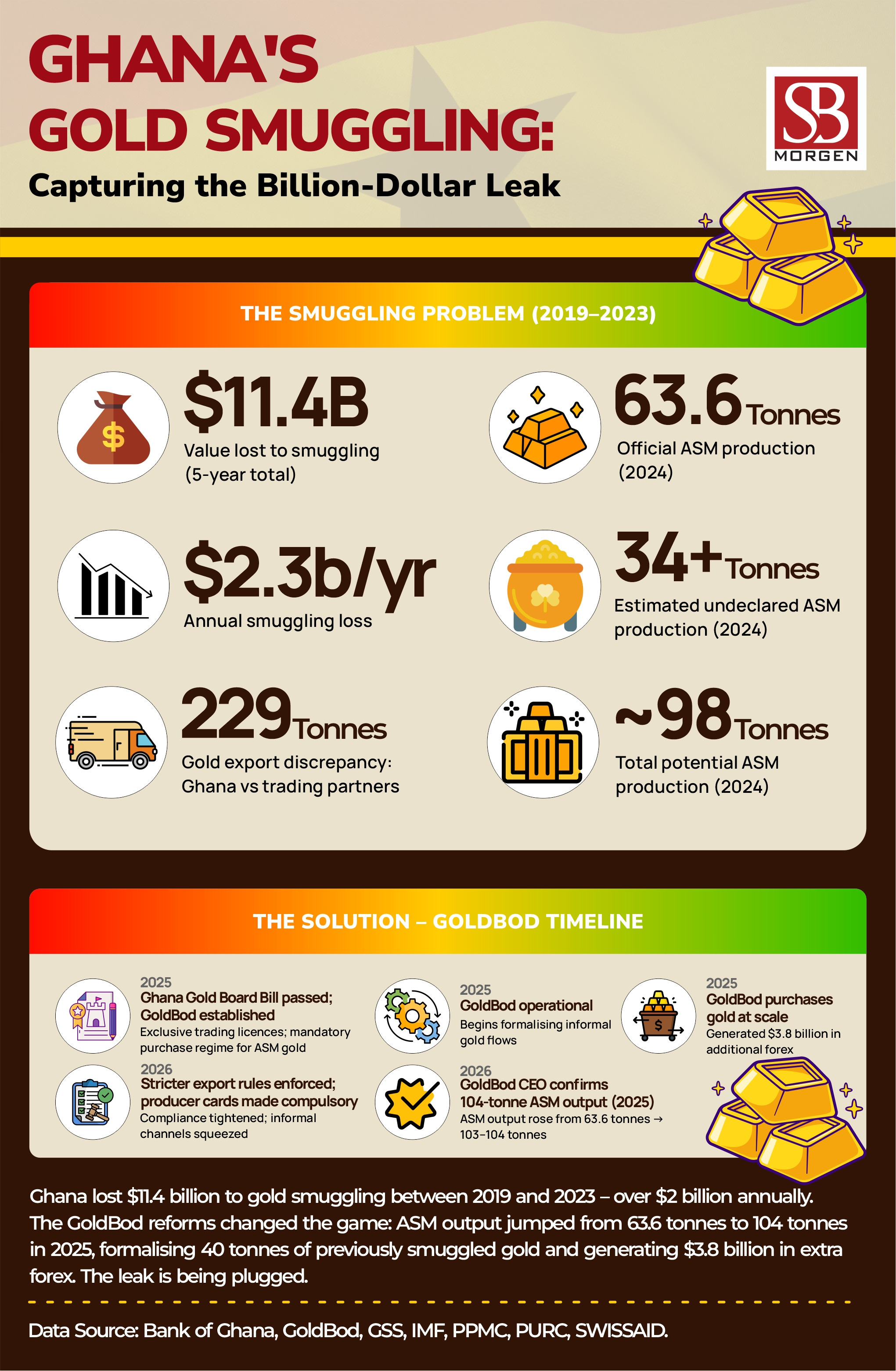
Ghana’s utility tariff increases and GoldBod reforms may seem unrelated, but both expose a single challenge: sustaining macroeconomic stability while reducing the state’s financial burden.
The Public Utilities Regulatory Commission raised electricity tariffs by 3.49% and water by 0.85% from July 2026. Lifeline consumers (0–30 kWh) will pay 89.93 pesewas/kWh, up from 86.90. Those using up to 300 kWh will pay 203.75 pesewas, compared with 196.88 previously, while users above 300 kWh face 269.22 pesewas, up from 260.15. Non-residential customers and special load tariff users also face increases.
On paper, the adjustment reflects inflation, exchange rates and energy costs. Yet inflation has fallen to multi-decade lows, the cedi is stable, and gas prices have declined. The larger increase suggests regulators are addressing deeper financial weaknesses in the electricity sector, particularly the Electricity Company of Ghana’s substantial liabilities from years of underpricing, inefficiencies and expensive power purchase agreements. While debt restructuring with independent power producers has provided short-term savings, these obligations remain. As repayments fall due, gradual tariff adjustments appear necessary to improve sector sustainability. The risk is that persistent increases in utility could fuel inflation and complicate the Bank of Ghana’s efforts to lower interest rates.
A similar balancing act shapes the gold sector. GoldBod has replaced continuously updated live prices with the London Bullion Market Association’s AM and PM benchmarks, publishing official purchase prices twice daily at 10:30 a.m. and 3:00 p.m. The reforms also shift financing away from the Bank of Ghana, which stepped back after absorbing significant losses. GoldBod has tightened its rules, capped margins, and shifted more of the financing responsibility to aggregators and commercial lenders.
This creates a tension. Gold exports have become a pillar of Ghana’s economic recovery, boosting reserves and supporting the cedi. But tighter margins and higher financing costs may push miners and traders toward informal channels and cross-border smuggling networks offering more competitive prices. Such leakages would weaken official inflows and reduce the effectiveness of a key stabilisation tool.
Together, utility tariff increases and GoldBod reforms aim to transfer financial burdens from the public sector while preserving macroeconomic stability. Both initiatives seek to repair institutions that have become unsustainable – whether through energy-sector debt or central bank-funded gold purchases. The challenge is ensuring reform costs do not undermine the recovery they are meant to protect. Ghana’s recent gains in inflation, currency stability and investor confidence are significant, but maintaining them will require a careful balance between fiscal discipline, market incentives and public affordability.