
Vote of confidence
Over 100 Chinese manufacturers invested $100bn+ in Ghana, per Chief of Staff Debrah, signalling confidence. He urged balancing Ghana's trade deficit with China.

Ghana’s Chief of Staff, Julius Debrah, announced that over 100 Chinese-owned manufacturing companies now operate in Ghana, representing more than $100 billion in investment. Speaking at the 2025 Ghana-China Business Summit, Debrah highlighted this as a vote of confidence in Ghana’s business environment. He reaffirmed President Mahama’s commitment to strengthening bilateral ties by encouraging more Chinese firms to establish assembly plants locally. However, Debrah acknowledged a trade imbalance: Chinese exports to Ghana reached $3.7 billion in 2023, compared to Ghana’s $1.8 billion in exports to China. He urged efforts to close the gap and promote more balanced trade relations.
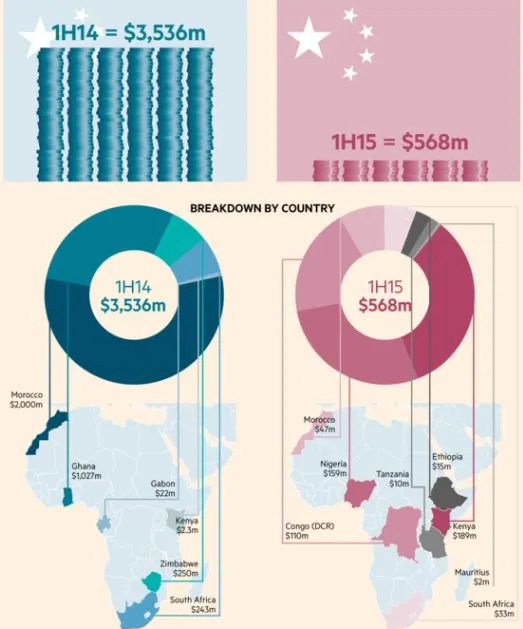
China has remained Ghana's top trading partner for years, steadily increasing foreign direct investment. In 2024, trade between the two countries surpassed $11 billion, highlighting the depth of economic ties and China’s growing stake in Ghana’s development agenda. One of the most notable markers of this relationship is the Sinohydro infrastructure deal, which saw Ghana exchange its bauxite resources for a $2 billion development package for the period. The agreement led to the construction of several kilometres of roads across Accra and other parts of the country—an emblem of China’s confidence in Ghana’s economic potential.
However, the deal attracted criticism due to the lack of transparency surrounding its terms and conditions. Concerns have surfaced as trade volumes grow and more Chinese businesses set up in Ghana. Chinese nationals have been frequently linked to illegal mining activities—commonly known as “galamsey”—which have caused widespread destruction to forest reserves and arable lands, with cocoa production particularly affected. This has cast a shadow over China’s image in Ghana and raised questions about the long-term implications of Chinese involvement in sensitive sectors. The rise in Chinese ownership and investment in key industries has led to public debate about the future of Ghana’s economic sovereignty. Many worry that if current trends continue unchecked, China could wield excessive influence over Ghana’s economy, potentially posing a national security risk. These perceptions are further cemented by the environmental damage and legal violations associated with some Chinese individuals involved in illicit activities, making it difficult to foster the trust needed for a balanced partnership.
Yet, despite these challenges, China continues to prioritise Ghana in its strategic bilateral engagements. Beyond trade and infrastructure, China played a crucial role in supporting Ghana’s debt restructuring efforts during the 2022–2023 economic crisis, which helped the country secure a $3 billion relief package. Moving forward, Ghana faces the delicate task of managing this complex relationship, maximising the benefits of Chinese investment while safeguarding national interests, promoting transparency, and ensuring accountability in all sectors.