
Yet another spill
Shell reported an oil spill in Ogale, Niger Delta, due to a pit overflow. The spill was contained, and a joint investigation will determine its cause and impact.

Shell reported an oil spill on Tuesday at Ogale, near Port Harcourt, after a saver pit overflowed during flushing operations in the Niger Delta region. The company said its spill response team contained the overflow and informed authorities. It added that arrangements were being made for a regulator-led joint visit to determine the cause and impact of the spill, a Shell spokesperson said in a statement. Youths and Environmental Advocacy Centre (YEAC-Nigeria) said the spill occurred after an underground pit filled with crude started flowing to a pipeline that separates an area of the Ogoni cleanup project.
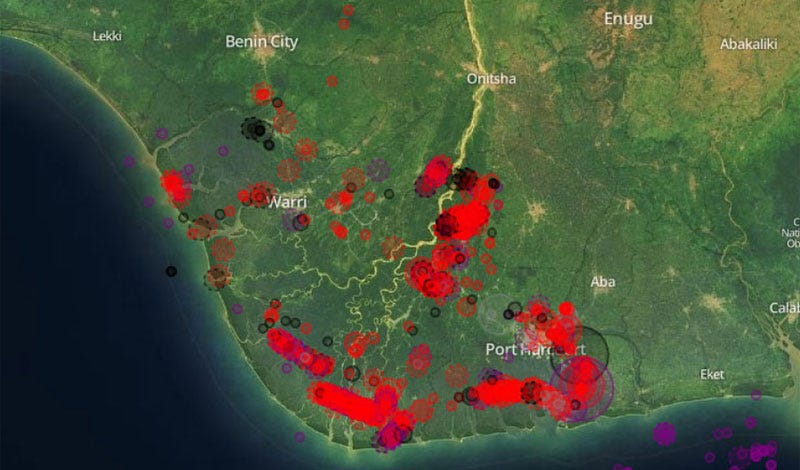
Nigeria has a long and troubling history of oil spills, a legacy of environmental damage and social injustice that stretches back to the 1970s. These spills, often devastating in their impact, have far-reaching consequences for both the environment and the local communities who depend on them. Shell's recent oil spill is, unfortunately, not an isolated incident. In 2023, a similar spill from one of its pipelines in Ogoniland contaminated farmland and rivers, severely impacting local livelihoods and demonstrating the recurring nature of this problem.
The impact of these spills is multifaceted and profound. Oil spills disrupt traditional livelihoods like fishing and farming, threatening food security and pushing already vulnerable communities further into poverty. They contaminate vital water sources, making them unusable for drinking, cooking, or agriculture. Beyond the immediate economic consequences, oil spills pose serious, long-term health risks to affected populations. Exposure to the toxic chemicals present in crude oil has been linked to respiratory problems, various forms of cancer, and even birth defects, creating a public health crisis that can span generations.
The sheer scale of the problem is staggering. According to data from the National Oil Spill Detection and Response Agency (NOSDRA), Nigeria recorded an estimated 9,400 oil spill incidents between 2012 and 2022. This translates to a staggering loss of 68 million litres of crude oil, polluting the land and waterways of the Niger Delta and beyond.
Several factors contribute to Nigeria’s oil spill crisis. Lax regulatory oversight by government agencies allows oil companies to operate with impunity, often neglecting necessary safety measures and failing to invest in pipeline maintenance. A network of aged and corroded pipelines, some decades old, is highly susceptible to leaks and spills. Critically, the conduct of some oil companies, prioritising profit over environmental protection and community well-being, exacerbates the problem.
The burden of this environmental devastation falls disproportionately on local communities. They lose their homes, businesses, and access to clean drinking water, often with little or no compensation from the oil companies responsible. Slow and often inadequate environmental remediation efforts mean that the damage lingers for decades, sometimes generations, fueling animosity and distrust between affected communities and oil firms. This toxic relationship creates a climate of instability and complicates Nigeria’s business environment, deterring potential investors who are wary of operating in such a volatile context.
The oil spill crisis has significant implications for Nigeria’s political economy. The environmental damage undermines agricultural productivity and disrupts the livelihoods of millions, contributing to poverty and social unrest. The ongoing conflict between communities and oil companies creates instability and insecurity, hindering economic development and discouraging investment. Furthermore, the perception of corruption and mismanagement surrounding the oil industry erodes public trust in the government and fuels political tensions.
Addressing this complex crisis requires a concerted and sustained effort from all stakeholders. The government must strengthen regulatory oversight, enforce environmental laws, and hold oil companies accountable for their actions. Oil companies must prioritise environmental protection and invest in modernising their infrastructure, adopting safer operating practices, and engaging constructively with local communities. Local stakeholders, including community leaders and civil society organisations, must be empowered to participate in environmental monitoring and remediation efforts, ensuring their voices are heard and their rights are respected. Ultimately, a shift towards sustainable development, balancing economic growth with environmental protection and social equity, is crucial to resolving Nigeria’s oil spill crisis and building a more prosperous and just future for all. As the saying goes, sometimes, the little things, the accumulation of seemingly minor acts of negligence and disregard, accumulate and become big, unmanageable messes with far-reaching consequences.